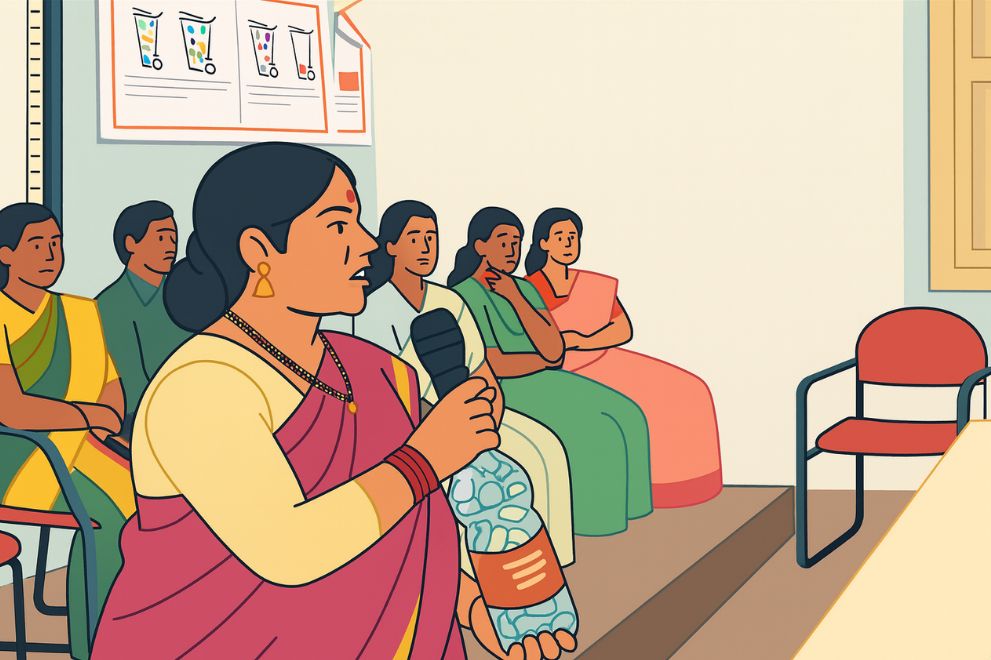
One Brick for a Better Planet
🌍 Our Mission
To reduce plastic pollution by converting non-recyclable waste into eco-bricks. We aim to keep plastics out of landfills and oceans while encouraging communities to adopt sustainable building and responsible waste practices shaping a cleaner future.
♻️ Overview
Plastic pollution is one of the most pressing environmental challenges of our time. Non-recyclable plastic wrappers and snack covers often end up in landfills or, worse, pollute our soil and waterways. Eco-bricks provide a simple yet powerful way to tackle this issue by repurposing plastic waste into useful building materials.
🧱 What Are Eco-Bricks?
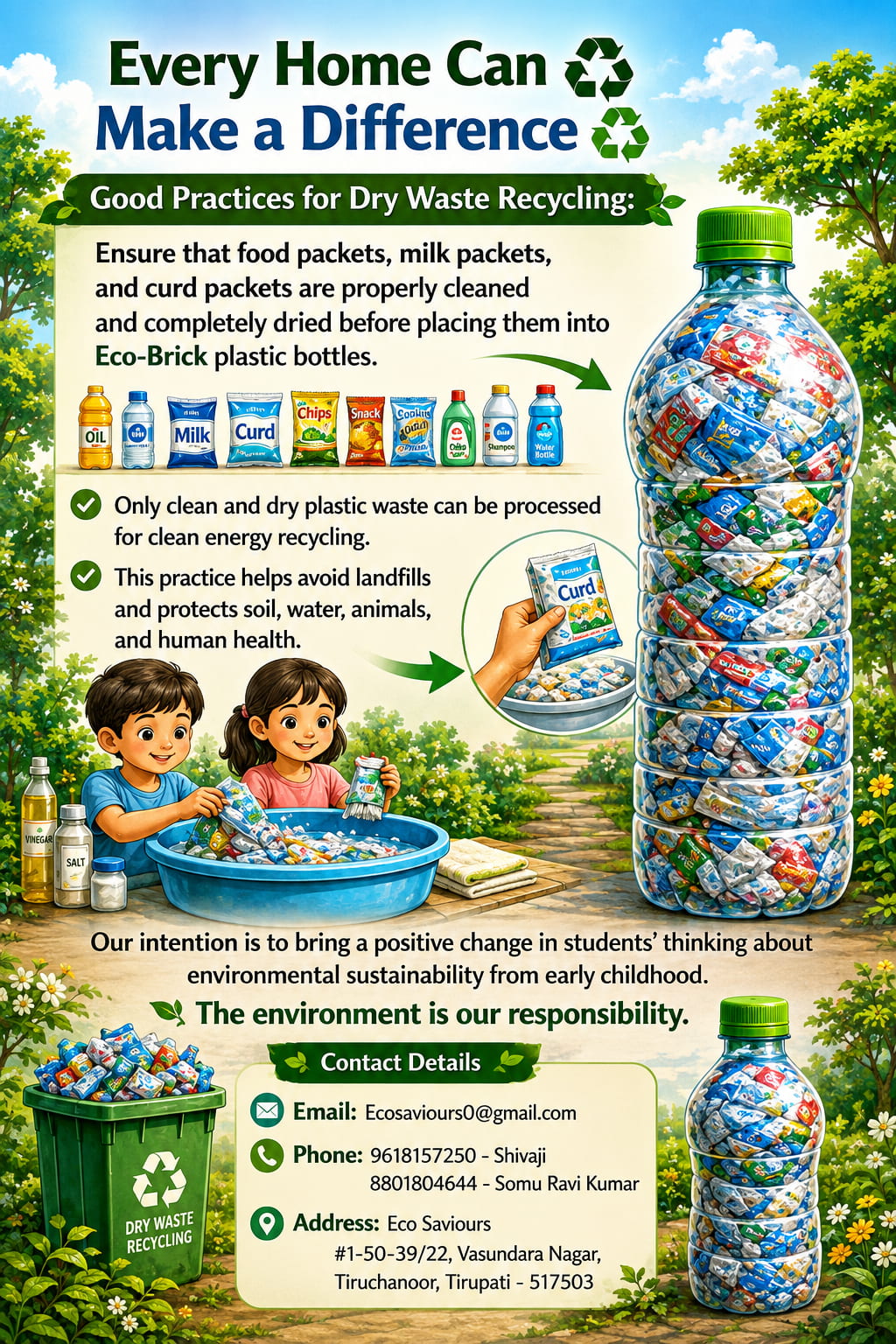
Eco-bricks are plastic bottles densely packed with used plastic wrappers, bags, and other non-recyclable plastics. These bottles transform harmful waste into sturdy, compact blocks that can be used as eco-friendly construction materials for community projects such as garden benches, walls, and outdoor furniture.
🌱 Environmental Impact
By locking plastics inside PET bottles, eco-bricks prevent contaminants from leaching into the environment. They help:
- Reduce the amount of plastic waste entering soil and water systems
- Extend the life cycle of plastics by turning waste into resourceful bricks
- Promote responsible waste segregation and disposal practices
⚙️ Implementation Steps
- Collection: Students gather used plastic wrappers and covers from homes, surroundings, and school premises.
- Preparation: Clean and dry all collected plastic waste to prevent odor and bacterial growth.
- Filling: Insert the plastic pieces into 1L or 2L PET bottles and pack them tightly using a stick to eliminate air gaps.
- Completion: Seal the bottle once it becomes hard and heavy, indicating a fully packed eco-brick.
👨🎓 Educational & Community Benefits
Eco-brick initiatives actively involve students and community members in sustainability efforts, fostering awareness around plastic pollution and waste management. Incorporating eco-bricks into school projects helps:
- Encourage teamwork and participation in environmental activities
- Teach the importance of reducing, reusing, and recycling
- Inspire innovative thinking for sustainable solutions
🏗️ Practical Uses for Eco-Bricks
- Garden fences and seating areas in schools and parks
- Outdoor furniture like benches and tables
- Ecological walls for landscaping and playgrounds
- Base materials in eco-friendly construction and artwork
💡 Why Eco-Bricks Matter
- Diverts plastic waste from landfills and oceans
- Raises environmental consciousness in local communities
- Provides an affordable building material alternative
- Supports circular economy principles by giving plastic a second life
🚀 Getting Started Today
Gather your local community, schools, or environmental groups to launch an eco-brick collection drive. Set up designated points for plastic waste collection and encourage participation through workshops and awareness campaigns. As the supply of eco-bricks grows, identify community projects that can benefit from these sustainable building blocks.
Together, eco-bricks can help build greener schools, safer parks, and healthier communities while combating the plastic pollution crisis one bottle at a time.