PLASTIC-FREE PAPER BAGS
Building Green Habits for Life
Our Mission
To promote plastic-free alternatives by encouraging the use of recycled paper bags and supporting simple, community-driven practices for a cleaner and greener environment.
Overview
Sustainable paper bags provide an effective and eco-friendly substitute for plastic packaging. Created from recycled paper using simple folding and natural sealing methods, these bags are biodegradable, affordable, and easy to produce. By adopting paper bag making as a practical activity in schools, communities, and local enterprises, we support waste reduction, environmental awareness, and sustainable livelihoods while promoting everyday habits that protect the planet.
Empowering Change with Alternative Packaging
In a world burdened by plastic pollution, sustainable paper bags offer a practical and low-cost alternative that anyone can create and use. By repurposing waste paper or old newspapers through simple folding and sealing techniques—without relying on harmful chemical adhesives—we can collectively reduce plastic waste and encourage eco-conscious habits. These eco-friendly bags not only serve as an effective plastic substitute but also inspire community-driven entrepreneurship and environmental awareness.
Why Paper Bags Matter
Plastic bags have long dominated as the go-to packaging solution worldwide, contributing massively to pollution and landfill overflow. Sustainable paper bags address this issue by utilizing recycled materials and natural sealing methods such as interlocking folds or starch paste, making them biodegradable and easy on the environment. This approach supports a circular economy by transforming waste paper into functional products while reducing reliance on petroleum-based plastics.
How It Works: Simple and Effective
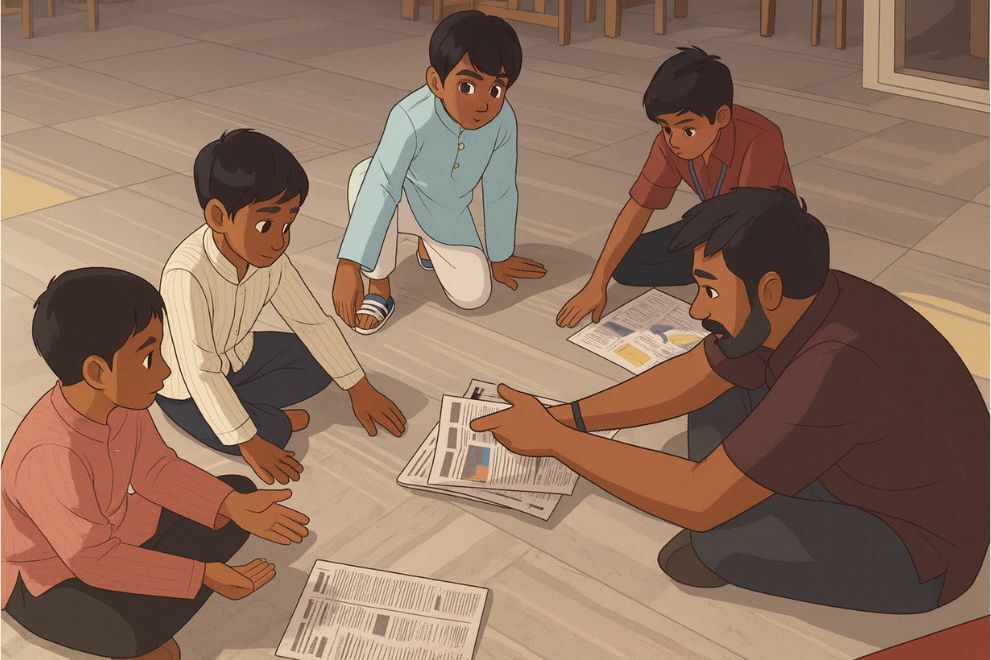
Creating sustainable paper bags requires minimal resources and techniques that are easy to learn and teach. Workshops can guide participants through recycling newspapers or scrap paper into durable bags ideal for everyday use. These bags can replace plastic at markets, temples, retail counters, and events promoting environmental consciousness.
Key steps include:
- Selecting suitable recycled paper or newspapers
- Folding the paper using interlocking techniques to form a bag shape
- Securing seams with starch paste (a natural adhesive made from corn or rice)
- Allowing the bags to dry and strengthen before practical use
Benefits That Ripple
- Reduces Plastic Dependency: Natural paper bags lower plastic consumption drastically.
- Promotes Waste Utilization: Encourages recycling of paper materials that would otherwise be discarded.
- Boosts Community Entrepreneurship: Workshops empower women’s self-help groups (SHGs) and students to create sustainable income sources.
- Educates for Sustainability: Hands-on learning deepens understanding of eco-friendly practices and environmental responsibility.
- Supports Local Economies: Providing these bags to vendors and temple stalls builds greener local supply chains.
Implementation Strategies for Impact
- Organize engaging paper bag making workshops in schools, colleges, and SHGs, providing practical skills and environmental education.
- Distribute eco-friendly paper bags to local markets, temple events, and fairs as substitutes for plastic.
- Integrate use of these bags in eco-awareness events to amplify visibility and encourage community-wide adoption.
- Collaborate with NGOs and environmental organizations to scale outreach and impact.
- Develop customized branding on paper bags for corporate or event purposes to combine marketing with sustainability.
Take Action: Join the Movement
Switching from plastic to sustainable paper bags is a simple change that yields significant ecological benefits. By embracing this low-cost, accessible alternative, we can collectively foster sustainable consumption patterns, minimize environmental footprints, and empower communities through entrepreneurship. Together, let’s fold our way to a cleaner, greener planet—one paper bag at a time!